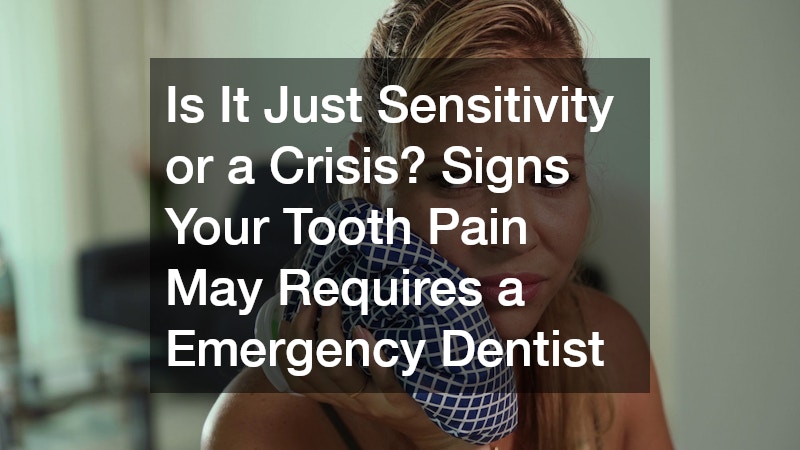
Is It Just Sensitivity or a Crisis? Signs Your Tooth Pain May Requires a Emergency Dentist
Disclaimer: The material provided is designed to inform readers about oral health and preventive care. It should not be considered medical advice. Consult a registered dentist for guidance specific to your oral health needs.
The distinction between a mild twinge of discomfort and a full-blown dental emergency is not always clear when you are in the middle of a flare-up. Tooth sensitivity is one of the most common complaints in modern oral health, often triggered by a cold beverage or a sweet treat. However, when that “zing” transforms into a persistent, throbbing ache, it is no longer a minor inconvenience; it is your body’s alarm system signaling a potential crisis.
Understanding the red flags of dental trauma and infection is crucial for preserving your smile and your overall well-being. This guide provides an in-depth look at the physiological differences between sensitivity and emergencies, offering a roadmap for when to stay home with desensitizing toothpaste and when to drop everything for an urgent appointment. By the end of this discussion, you will be equipped to make informed decisions that could save a tooth from extraction and prevent a localized issue from becoming a systemic health risk. In the world of oral healthcare, timing is everything; a few hours can be the difference between a simple repair and a permanent loss.
Deciphering the Source of Discomfort
Analyzing Pain Duration and Triggers

The first step in self-diagnosis is identifying the nature of the dentistry. Sensitivity is typically characterized by a sharp, sudden jolt that dissipates almost immediately after the stimulus, such as ice or sugar, is removed. This is often a result of exposed dentin or thinning enamel, a common focus in general dentistry that can be managed over time. If the sensation lingers for only a few seconds, it is likely a sign that your protective layers are compromised but not yet in a state of emergency. You might notice this when brushing too hard or consuming acidic fruits that wear down the outer layers of the tooth.
However, if the pain persists for minutes or hours after the initial trigger, or if it occurs spontaneously without any stimulus at all, the situation has shifted. Persistent, unrelenting pain often indicates that the pulp, the living tissue inside your tooth, is inflamed or infected. This type of distress rarely resolves on its own and typically requires professional intervention to address the underlying cause, such as a deep cavity or a hidden fracture that has finally reached the nerve. When the pain begins to wake you up at night or throbs in rhythm with your heartbeat, the “sensitivity” phase has officially ended, and a clinical intervention has become necessary.
Furthermore, it is essential to monitor how the pain responds to pressure or touch. If biting down causes a sharp, stabbing sensation, it may indicate a cracked tooth or a failing filling that has exposed the sensitive interior. Unlike surface sensitivity, pressure-related pain suggests a structural compromise that could lead to a total tooth fracture if not stabilized quickly. Documenting these specific triggers helps your provider pinpoint the issue faster, potentially saving the tooth before a catastrophic break occurs.
-
Trigger Tracking:
Keep a log of what causes the pain (cold, heat, pressure, or sweets). -
Duration:
Note if the pain lasts longer than 30 seconds after the stimulus is gone. -
Spontaneous Aches:
Watch for pain that starts without any external cause, which is a major indicator of nerve damage. -
Positional Pain:
Does it hurt more when you lie down? Increased blood pressure to the head can exacerbate pulpal inflammation. -
Referred Pain:
Be aware that a problem in a lower molar can sometimes feel like it is coming from the upper jaw or even the ear.
Recognizing the Signs of Infection and Abscess
Monitoring for Swelling and Systemic Symptoms
When a localized ache is accompanied by swelling, the situation has likely escalated into an emergency. A dentist will tell you that facial or gum swelling is often the result of an abscess; a pocket of pus caused by a bacterial infection. This infection can be localized to the root tip or spread into the surrounding bone and soft tissues. If you notice a “pimple” on your gums or a visible puffiness in your cheek, you should not wait for your next scheduled cleaning. An abscess is essentially a biological pressure cooker; the bacteria produce gases and fluids that have nowhere to go, causing intense pressure against the sensitive nerves and bone.
Furthermore, dental infections are not always confined to the mouth. If your toothache is paired with a fever, chills, or swollen lymph nodes in your neck, the infection may be entering your bloodstream. In these cases, you are no longer just a patient for dentists; you may be facing a systemic crisis. Prompt treatment is necessary to prevent the infection from spreading to the jaw, neck, or even more vital organs. Left unchecked, a dental abscess can lead to Ludwig’s Angina, a serious skin infection on the floor of the mouth, or even cavernous sinus thrombosis, which is a life-threatening blood clot at the base of the brain.
In addition to visible swelling, be mindful of any unusual discharge or a sudden metallic taste in your mouth. This can signal that an abscess has begun to drain, which might temporarily relieve the pressure and pain, but does not mean the infection is gone. In fact, a draining abscess is a sign of an active, spreading bacterial colony that requires immediate professional debridement and antibiotic therapy. Ignoring a “self-draining” infection allows bacteria to continue eroding the jawbone and surrounding tissues, leading to much more invasive and expensive reconstructive work in the future.
-
Visual Inspection:
Look for a “parulis” (gum boil) near the painful tooth. -
Lymph Node Check:
Feel under your jawline for tender, grape-sized bumps. -
Fever Monitoring:
A temperature over 100.4°F alongside oral pain is a sign of systemic involvement. -
Bitter Taste:
A sudden burst of foul-smelling or foul-tasting fluid suggests an abscess has ruptured. -
Difficulty Swallowing:
If an infection makes it hard to breathe or swallow, head to the emergency room immediately.
Pediatric Emergencies and Specialized Care
Managing Sudden Trauma in Children
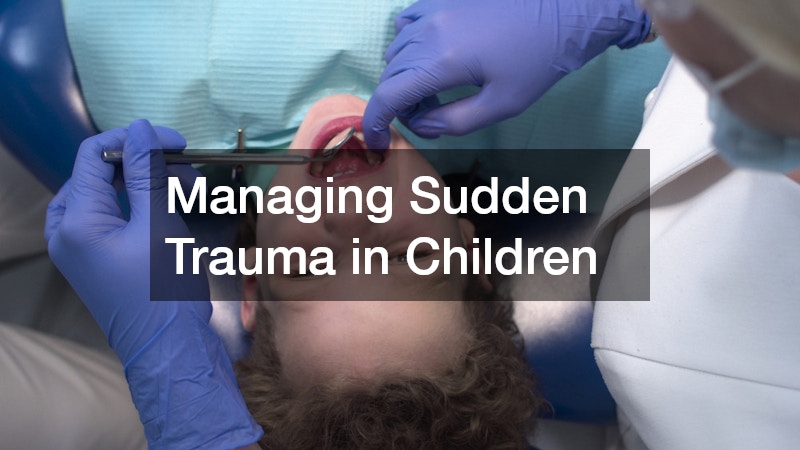
Children are particularly prone to dental emergencies due to sports, play, and their still-developing motor skills. When a child complains of severe discomfort, a local kids dentist is the best resource for a quick and age-appropriate diagnosis. Unlike adults, children may have difficulty articulating the exact nature of their pain, so parents must look for secondary signs such as a refusal to eat, excessive drooling, or a sudden change in sleeping patterns. A child might become uncharacteristically irritable or lethargic when dealing with a high-level toothache, as their nervous systems are often overwhelmed by the sensation.
If a permanent tooth is knocked out, time is the most critical factor. You have a window of approximately 30 to 60 minutes to have the tooth replanted for the best chance of survival. While waiting to see the best dentists in your area, keep the tooth moist in a small container of milk or the child’s own saliva. Never scrub the root, as this can destroy the delicate periodontal ligaments needed for successful reattachment. Even if the injury seems minor, such as a small chip, an underlying root fracture could be present, making a professional evaluation essential to save the long-term health of the child’s adult dentition.
It is also vital for parents to distinguish between injuries to primary (baby) teeth and permanent teeth. While baby teeth are rarely replanted due to the risk of damaging the developing adult tooth beneath the gumline, an injury to a primary tooth still requires an urgent evaluation. Displacement of a baby tooth can cause it to collide with the permanent bud, potentially leading to discoloration or structural defects in the future adult tooth. Professional oversight ensures that the trauma is managed in a way that protects the child’s future smile and oral development.
-
The Golden Hour:
Replanting a tooth within 60 minutes significantly increases the chance of successful re-attachment. -
Avoid Tap Water:
The chlorine in tap water can kill the cells on the tooth root; use milk or a specialized tooth preservation solution instead. -
Soft Tissue Lacerations:
If the child’s gums or lips are bleeding profusely, apply firm pressure with clean gauze for at least 15 minutes. -
Behavioral Red Flags:
Sudden avoidance of cold drinks or specific sides of the mouth during meals. -
Sports Guards:
If your child is active, discuss custom-fitted mouthguards to prevent these emergencies from happening in the first place.
The Business and Logistics of Emergency Triage
Navigating Costs and Professional Coordination

Many patients hesitate to seek emergency care due to fears of the sudden financial burden. This is where the expertise of a dental cpa becomes relevant to the industry behind the scenes; they help practices structure emergency fees and payment plans that keep urgent care accessible while maintaining the business’s health. When you call an office for an emergency, be transparent about your symptoms so the triage team can prioritize your case. Most top-tier practices leave “emergency blocks” in their daily schedule to accommodate patients in crisis without disrupting pre-scheduled procedures. Understanding that the office is a business as well as a healthcare provider helps set realistic expectations for wait times and billing.
In some complex cases, a dental emergency may overlap with other medical needs. For example, if a patient has a severe facial injury alongside a knocked-out tooth, they may first see a local doctor
at an urgent care facility or emergency room to rule out a concussion or jaw fracture. Coordination between your medical and dental providers ensures that your structural health and your oral health are both addressed simultaneously.
Effective coordination often involves the rapid sharing of digital records and imaging between different healthcare facilities. When a patient is transferred from a general practitioner to a specialist, having a clear digital trail prevents redundant X-rays and ensures that the clinical team has the full context of the injury. This collaborative approach not only improves the speed of care but also reduces the overall cost and stress for the patient. By acting as a unified front, the medical and dental communities provide a safety net that protects the patient from the long-term consequences of severe facial or oral trauma.
-
Triage Communication:
When you call, state clearly if there is bleeding, swelling, or a knocked-out tooth. -
Payment Plans:
Ask if the office offers third-party financing for unexpected high-cost procedures. -
Documentation:
Bring any X-rays or records from previous visits to help the emergency team understand your history. -
ER vs. Dentist:
Go to the ER for jaw fractures or breathing issues; go to the dentist for tooth-specific issues. -
Insurance Knowledge:
Know your “Emergency Palliative Treatment” coverage to understand what the initial visit might cost.
Post-Surgical Recovery and Restoration
Ensuring Long-Term Stability After the Crisis
Once the immediate crisis, be it a root canal or an extraction, is managed, the focus shifts to recovery and long-term restoration. If a tooth is lost during the emergency, your provider will likely discuss dental implants as the gold standard for replacement. Unlike bridges, implants preserve the jawbone and function exactly like a natural tooth. While the “emergency” is over once the pain is gone, the journey to a full smile continues through these restorative phases, ensuring that the gap left behind doesn’t lead to shifting teeth or bone loss.
For patients who are older or have mobility issues, recovering from a major dental procedure may require extra help. An in home care service can be a vital resource during the first 48 hours post-surgery, helping with medication schedules, soft-food preparation, and monitoring for signs of post-operative complications. This holistic approach to recovery ensures that the stress of the emergency doesn’t lead to a secondary health setback, allowing the patient to heal in a comfortable, controlled environment.
Furthermore, long-term success after a dental emergency requires a renewed commitment to preventive maintenance. Once the immediate structural issues are resolved with crowns or implants, regular cleanings and screenings are the only way to protect that investment. Your dental team will likely provide a customized hygiene plan to ensure the surrounding gum tissue remains healthy and capable of supporting your new restorations. By turning a crisis into a catalyst for better oral health habits, you can prevent future emergencies and ensure your smile remains both functional and beautiful for years to come.
-
Soft Food Preparation:
Stock up on yogurt, lukewarm soups, and protein shakes before your procedure. -
Medication Adherence:
Follow the antibiotic and pain relief schedule exactly as prescribed to prevent secondary infections. -
Avoid Straws:
The suction from a straw can dislodge a blood clot (dry socket), which is a secondary emergency in itself. -
Ice Application:
Apply ice packs to the outside of the face for 20 minutes on, 20 minutes off, for the first 24 hours. -
Rest:
Elevate your head with extra pillows during sleep to minimize throbbing and inflammation.
Distinguishing between minor sensitivity and a dental crisis is a vital skill for every health-conscious individual. While a quick “zing” from a cold drink may only require a change in your daily hygiene routine or a simple desensitizing treatment, symptoms like throbbing pain, facial swelling, and fever demand immediate professional attention. Taking proactive steps at the first sign of trouble can mean the difference between a simple filling and a complex surgical procedure.
